Tree inspections in Euston
If you own, manage, or care for trees in and around Euston, regular tree inspections are one of the simplest ways to protect people, property, and the trees themselves. In a busy part of London like Euston, trees often stand close to homes, office buildings, schools, rail infrastructure, busy footpaths, private gardens, and shared communal spaces. That means even a healthy-looking tree can benefit from a careful professional check from time to time.
Tree inspections in Euston are not just for obvious problems like leaning trunks or large dead limbs. They are also used to spot early signs of decay, structural weakness, pest activity, root disturbance, disease, storm damage, and issues caused by construction or heavy foot traffic. When a tree is checked properly, many problems can be managed before they become urgent. That can help you plan maintenance calmly rather than react to an emergency after strong winds or a branch failure.
Whether you are a homeowner in a terraced street near the station, a landlord responsible for shared gardens, a facilities manager overseeing a commercial courtyard, or a business owner with trees outside your premises, a local inspection service can give you a clear picture of what is going on. This page explains what tree inspections include, why they matter in Euston, how the process works, and what to consider before booking.
Why tree inspections matter in Euston

Euston is a compact, active part of central London where trees often have limited space to grow and are exposed to constant pressure from people, vehicles, works activity, and changing ground conditions. In places like this, regular tree inspection is a practical part of good property care. Trees close to buildings can affect roofs, guttering, walls, pavements, boundary fences, and underground services. Trees close to roads or entrances can also create safety concerns if branches become unstable or roots cause lifting and movement.
Another reason inspections matter locally is that Euston properties can vary a lot. You may have a mature tree in a small rear garden, a row of ornamental trees beside a commercial entrance, a shared courtyard tree in a block of flats, or trees around a development with limited access. Each setting creates different risks and maintenance needs. A tree that looks fine from the street may still need a closer look if it has decay within the crown, pressure from scaffolding, or root stress from nearby building work.
Regular assessments also help with planning. Rather than waiting for a problem to be reported after a branch falls or a tree starts to decline, you can keep a record of what has been checked and what action, if any, is recommended. That is especially valuable for residential and commercial customers who want to manage trees responsibly and avoid unnecessary disruption.
Common reasons local customers arrange an inspection
There are many everyday reasons people ask for an inspection. These often include visible signs such as deadwood, cracks, fungus, leaning growth, split branches, or leaves that are thinning unexpectedly. Sometimes there is no obvious visible damage, but a tree is growing close to a building or has been affected by recent weather. In other cases, an inspection is arranged before building works, after a storm, or as part of regular property management.
In Euston, access can also be part of the reason. A tree on a narrow pavement or in a rear garden with difficult access may be harder to monitor without professional help. A local team familiar with the area can inspect efficiently, taking into account parking restrictions, service roads, tight entry points, and the practicalities of working around neighbours, tenants, or business operations.
What a professional tree inspection includes

A proper inspection is more than a quick glance at the canopy. The aim is to understand the overall condition of the tree, the site around it, and whether anything is likely to require action now or in the near future. A tree inspection in Euston will usually look at the tree from the ground, checking key visual indicators that can reveal structural or health concerns.
Typical inspection checks can include:
- The general shape, balance, and vigour of the tree
- Visible defects in the trunk, branches, and major unions
- Deadwood or broken limbs
- Signs of fungal brackets, decay, or cavities
- Cracks, splits, or bark damage
- Evidence of pests, disease, or dieback
- Root zone condition, soil compaction, and nearby disturbances
- Interaction with buildings, paths, roads, and overhead lines
- Recent storm damage or movement in the ground
Depending on the tree and the site, the arborist may also consider species, age, growing conditions, and exposure. Some trees naturally tolerate urban stress better than others. A mature plane tree, for example, may cope differently with inner-city conditions than a smaller ornamental species in a courtyard. That is why local knowledge matters: it helps the inspector understand what is normal for the tree and what is a concern.
In some cases, a visual inspection is enough to decide whether routine care is appropriate. In other cases, more detailed assessment may be needed. The aim is always to give clear, practical advice rather than cause unnecessary alarm. If a tree can be retained safely with targeted pruning or monitoring, that may be the best outcome. If work is needed, you should know why, what type of work is sensible, and how soon it should happen.
Visual checks versus more detailed assessment
Most customers begin with a visual inspection because it is efficient and suitable for many routine situations. If the tree shows signs of internal weakness, structural concerns, or uncertainty about failure risk, a more detailed assessment can be suggested. This may involve closer examination of specific defects or, where appropriate, further investigation by a qualified tree specialist. The right level of inspection depends on the site, the tree’s condition, and the level of risk.
Who needs tree inspections in Euston?
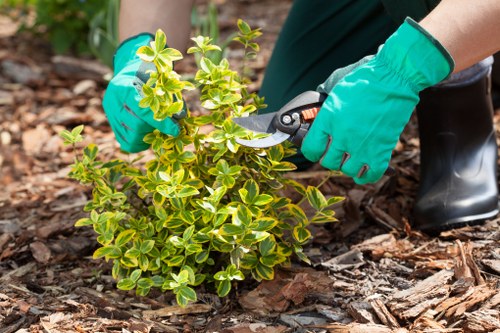
Many different people and organisations benefit from arranged tree inspections. Some contact a tree specialist because they have noticed a problem themselves, while others book regular inspections as part of long-term property upkeep. In a busy area like Euston, the service is useful for a wide range of customers.
Common customers include:
- Homeowners with front or rear garden trees
- Landlords managing private rental property
- Managing agents responsible for blocks of flats
- Commercial property owners and occupiers
- Schools, colleges, and education premises
- Hospitals, clinics, and care facilities
- Hospitality businesses with external planting
- Public-facing organisations with visitor safety responsibilities
Residential customers often want reassurance that a tree is safe and worth keeping. Commercial clients tend to need clear records, sensible risk management, and a reliable plan for ongoing tree care. In both cases, the best inspections are practical and easy to understand. You should know whether the tree needs immediate action, routine monitoring, or no further work at present.
Many Euston properties also sit near ongoing development or refurbishment work. If scaffolding, excavation, or heavy vehicle access is taking place, trees can be affected by root compaction or changes to the surrounding soil. Inspection before, during, or after works can help identify whether the tree has remained stable and whether any protection measures are needed.
For customers with communal outdoor areas, inspections can also help support shared decision-making. A clear report makes it easier to discuss a tree’s condition with residents, freeholders, or site managers. It gives everyone the same information and reduces confusion when maintenance needs to be prioritised.
Local settings where inspections are especially useful
In Euston, tree inspections are often requested for small garden trees, trees near basement light wells, courtyard planting, boundary trees in mews-style properties, and trees positioned near busy pedestrian routes. They can also be helpful for trees in car parks, service yards, or around commercial entrances where public use is constant.
How tree inspections in Euston work

The process is usually straightforward. Once a visit is arranged, the arborist attends the site, examines the tree or trees in question, and records relevant observations. The aim is to assess the tree as safely and efficiently as possible while considering both the tree’s condition and the practical realities of the site.
- Initial discussion: You explain what has been noticed, whether there is a specific concern, and what type of property or site is involved.
- Site visit: The arborist attends the property and inspects the tree from ground level, taking account of visible defects and surrounding conditions.
- Assessment: The tree’s structure, condition, and setting are reviewed. This includes possible effects on nearby people, buildings, and surfaces.
- Advice: You receive clear recommendations, which may include pruning, monitoring, further investigation, or no immediate action.
- Next steps: If work is needed, you can plan it in a suitable timeframe, especially if the tree presents a foreseeable issue.
Good communication is important throughout. Customers often appreciate plain language, especially if they are not familiar with arboriculture terms. A sensible inspection report should help you understand the concern without making the situation sound more alarming than it is. If the tree is stable but should be checked again later, you should be told that too.
For busy local customers, it is also useful when the inspection is organised with minimal disruption. In Euston, that may mean planning around school runs, business opening hours, resident access, delivery periods, or traffic constraints. A local company is more likely to understand those pressures and schedule accordingly.
What you may receive after the visit
Depending on the service arranged, you may receive notes, a written summary, or recommendations for follow-up work. The exact format can vary, but the purpose is the same: to provide a reliable record of the inspection and help you make informed decisions about the tree.
When a follow-up visit may be sensible
Some trees do not need immediate work but do benefit from future re-checks. A follow-up visit may be sensible after storm damage, after nearby construction, or when a tree has a minor issue that should be monitored over time. Regular review is often a cost-effective way to manage living trees responsibly.
Preparation checklist before your inspection

A small amount of preparation can make the inspection smoother, particularly in a place like Euston where access, parking, and shared spaces can be tricky. You do not need to do anything complicated, but a few simple steps help the arborist work efficiently and focus on the right tree.
Before the visit, it helps to:
- Make sure the tree can be accessed safely from the ground
- Point out any recent changes, such as storm damage or building work
- Clear away temporary obstructions if possible
- Tell the arborist about concerns near roofs, boundaries, pathways, or parked vehicles
- Provide any relevant background, such as previous pruning or repeated dieback
- Let neighbours or building occupiers know if access to shared spaces may be needed
If the tree is in a rear garden or enclosed courtyard, make sure access arrangements are understood in advance. If the site is commercial, let the relevant manager know what time the inspection is planned and whether there are any restrictions. In Euston, where properties can be tightly arranged and services often need to keep moving, a little planning can prevent delays.
It is also helpful to gather any previous documents, if you have them. Earlier inspection notes, maintenance records, or information from a previous arborist can provide context. Trees change over time, and having a record of earlier observations can make it easier to spot patterns.
What customers should not do before an inspection
Unless you have been advised otherwise, it is best not to remove branches yourself or disturb the area around the roots. Avoid using ladders to inspect high branches, as this can be unsafe and may not reveal the real issue. If a tree appears dangerous, keep people away from the area and arrange professional help promptly.
Pricing factors for tree inspections
People often want to know what affects the cost of tree inspections in Euston, even if they are not looking for an exact price right away. Costs vary because no two sites are the same. A single small tree in an accessible front garden is very different from a group of mature trees in a commercial courtyard with restricted entry and limited parking.
Factors that may influence the price include:
- The number of trees to be inspected
- The size, height, and maturity of the trees
- How easy it is to access the site
- Whether the inspection is routine or urgent
- Whether more detailed assessment is required
- Site conditions such as road access, courtyard layout, or shared entrances
- The need for written findings or repeat visits
In central London locations, access can make a noticeable difference. Limited parking, controlled streets, delivery restrictions, and tight access points can all affect the time needed to carry out a visit. A local team that already works in Euston and nearby areas is usually better placed to plan around these practicalities efficiently.
Even if you are just checking a single tree, it is worth asking for a clear explanation of what is included in the inspection. That way, you know whether the service covers one tree, multiple trees, a written summary, or recommendations for further action. Transparent expectations are especially important for landlords, managing agents, and business owners who need to plan maintenance budgets sensibly.
Why choose a local company for tree inspections in Euston?
Choosing a local arborist brings practical benefits. A company that regularly works in Euston and surrounding central London areas is more likely to understand the types of properties, traffic conditions, and tree-related issues that are common here. That includes terrace housing, managed blocks, commercial estates, education premises, and mixed-use sites with limited access.
Local knowledge can help with:
- Understanding access and parking constraints
- Scheduling around busy streets and occupied buildings
- Recognising common tree stress factors in urban settings
- Adapting inspections to small gardens, courtyards, and rooftop or basement-adjacent planting
- Providing practical advice that suits the site, not just the tree
Local service is also useful when you want quick attendance after a storm or when a sudden concern has been raised by a neighbour, tenant, or building manager. A nearby team can often respond more efficiently and can be familiar with the wider local area, including surrounding neighbourhoods such as King’s Cross, Bloomsbury, Camden, Regent’s Park, Fitzrovia, and Somers Town.
That local familiarity does not replace professional judgement, of course, but it supports a more efficient service and better communication. For many customers, that is exactly what they want: a straightforward inspection from someone who understands the conditions their trees are growing in.
What good service feels like
A reliable inspection service should be clear, respectful, and practical. You should feel that your concerns are being taken seriously without being overwhelmed with jargon. The best outcome is often a balanced one: you know what the tree needs, what it does not need, and what to watch for in future.
Tree inspections and safety responsibilities
Tree safety matters because trees are living structures that can change over time. A branch that was sound last year may now be affected by decay or storm stress. Root disturbance from building works, soil movement, or compacted ground can also alter stability. For that reason, inspections are valuable not only after something has gone wrong, but also as part of sensible risk management.
For landlords, managing agents, employers, and site managers, regular tree inspection can form part of a broader duty of care. The exact requirements depend on the situation, but the principle is simple: if a tree could reasonably affect people or property, it should be checked often enough to remain a manageable risk. In a high-activity area like Euston, that is especially important where public access is close to trees.
Homeowners benefit too. Even a single tree can affect safety if it overhangs a path, sits near a boundary fence, or shows clear signs of decline. Having it inspected gives you a calm, informed basis for deciding what to do next. It can also help you avoid unnecessary pruning, because not every visible issue means major work is required.
Areas covered around Euston
Tree inspections are often arranged across Euston and nearby parts of central and north London. Depending on the site and access, local services may cover nearby streets and neighbourhoods such as:
- King’s Cross
- Bloomsbury
- Camden
- Fitzrovia
- Regent’s Park
- Somers Town
- St Pancras
- Holborn
If your property sits just outside the immediate Euston area, it is still worth asking. Nearby locations can often be covered efficiently, especially when the work is a simple inspection rather than a larger tree surgery project.
Frequently asked questions
How often should trees be inspected?
That depends on the tree, its condition, and its location. A healthy tree in a low-risk setting may only need occasional checks, while a tree near a building, path, road, or high-use area may need more frequent inspection. After storm damage or nearby construction, a sooner check is often wise.
Can you inspect a tree if access is limited?
Yes. Limited access is common in Euston, especially in rear gardens, courtyards, and tightly managed properties. A local arborist can usually plan for narrow access, shared entrances, and practical site constraints.
Do I need an inspection if the tree looks healthy?
Even healthy trees can have hidden issues. Internal decay, root disturbance, and early signs of disease are not always visible from a casual glance. If the tree is close to people, buildings, or boundaries, an inspection can be worthwhile even when it looks fine.
What if the inspection shows a problem?
If an issue is identified, you will usually be advised on the most sensible next step. That might be pruning, monitoring, further investigation, or removal in some cases. The purpose is to help you decide based on facts rather than guesswork.
Is tree inspection useful before buying or renting a property?
It can be. If a property has mature trees close to the building or in a shared outdoor space, an inspection can help reveal potential maintenance responsibilities before they become a surprise.
Can inspections help after strong winds?
Yes. Storms can loosen branches, expose hidden defects, and move the root plate. If a tree has been affected by severe weather, an inspection is a sensible way to check that it remains stable and safe.
Book tree inspections in Euston
If you are concerned about a tree, or you simply want a professional opinion on its condition, arranging an inspection is a smart first step. Whether you manage one tree or several, a local assessment can help you protect people, reduce uncertainty, and plan maintenance in a practical way.
For homeowners, landlords, managing agents, and businesses, tree inspections in Euston offer peace of mind and a clear path forward. They are especially useful where trees are close to buildings, pathways, busy entrances, or shared spaces. If you need advice before a planned project, after storm weather, or because something about a tree has changed, now is a good time to act.
Contact us today to request a free quote, ask a question, or book your service now. A professional inspection can help you make the right decision for your trees and your property, with local knowledge and a straightforward approach that suits Euston’s busy environment.